
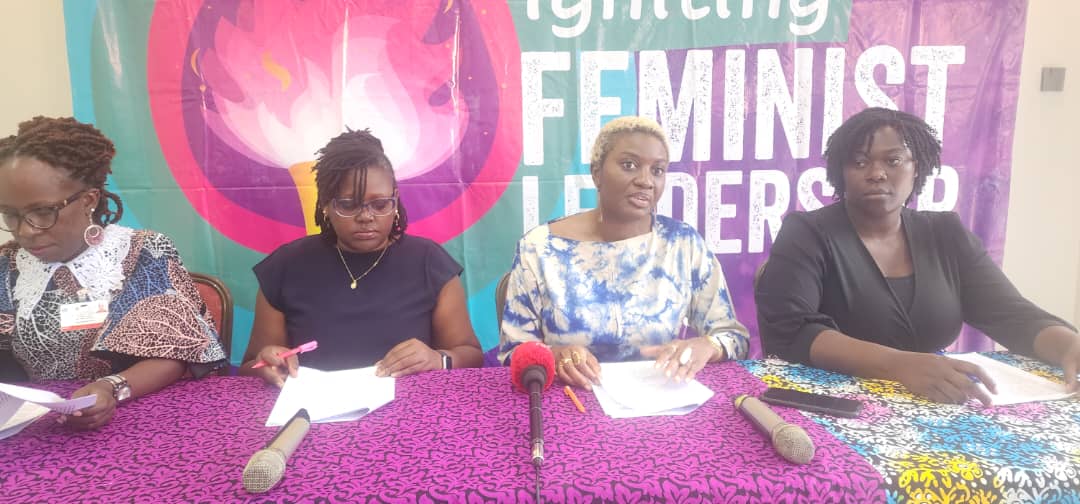
Health advocates have called for stronger political commitment and increased investment in healthcare services to ensure vulnerable communities continue accessing essential medical care amid growing funding challenges affecting the sector.
The appeal was made during a discussion on healthcare access and financing, where stakeholders expressed concern that declining support for health programmes is making it increasingly difficult for many communities to obtain critical healthcare services.
Buky Williams of Akina Mamawa Africa said access to healthcare is a fundamental right, but funding reductions are increasingly threatening the ability of vulnerable populations to receive the care they need.
“We believe that every person deserves access to quality healthcare services. However, we are witnessing significant funding cuts, and many communities are receiving less support to continue accessing essential treatment. We must ensure that these communities are not forgotten in the ongoing discussions about healthcare financing,” Williams said.
Williams stressed the need to keep healthcare access at the centre of national and international policy discussions, warning that shrinking financial support could widen existing inequalities and leave many people without adequate medical care.
She also highlighted the importance of practical interventions at the health facility level, noting that direct engagement with healthcare providers through monitoring committees has proved effective in identifying service delivery gaps and ensuring resources are used appropriately.
“One of the approaches that has worked well is maintaining regular engagement with health facilities. Through monitoring committees, stakeholders are able to identify existing gaps and ensure that allocated resources are directed towards addressing the most urgent needs,” she said.
According to Williams, healthcare facilities continue to face numerous challenges, including shortages of trained health workers, inadequate infrastructure and limited operational resources.
She said some of these challenges can be addressed through targeted partnerships and capacity-building initiatives.
“Where health workers require additional training or support, partnerships can be developed to strengthen their skills and improve service delivery. These are practical solutions that can help improve healthcare outcomes even within existing resource limitations,” she added.
The advocates argued that while financial constraints remain a major concern, political prioritization is equally important in determining how resources are allocated and utilized.
“Political will is critical because funding often follows political priorities. If healthcare is not given the attention it deserves, resources will continue to be directed elsewhere. Leaders must demonstrate commitment to protecting and strengthening health services,” Williams said.
Health sector stakeholders continue to advocate for sustained investment in community health programmes, training of health workers and improved access to essential services.
They maintain that protecting healthcare systems requires both adequate financing and deliberate policy action to ensure no community is left behind.
The advocates further emphasized that strengthening healthcare systems today is essential for building resilient communities capable of responding to future health challenges while guaranteeing equitable access to medical services for all citizens.
